- What Is Tai Chi Walking?
- The Origins of Tai Chi
- How Tai Chi Walking Works
- Key Principles of Tai Chi Walking
- Health Benefits of Tai Chi Walking
- Improved Balance and Stability
- Better Joint Health
- Reduced Stress and Anxiety
- Improved Posture
- Increased Muscle Strength
- Who Can Practice Tai Chi Walking?
- How to Practice Tai Chi Walking
- Tai Chi Walking vs Normal Walking
- How Often Should You Practice Tai Chi Walking?
- Tai Chi Walking Around the World
Many people today are looking for simple ways to stay active without putting too much strain on their bodies. While intense workouts work well for some, others prefer gentle exercises that improve health while also helping the mind relax. One such practice is Tai Chi walking.
Tai Chi walking is a slow, controlled form of walking inspired by the ancient Chinese practice of Tai Chi, a martial art known for its flowing movements and focus on balance, breathing, and body awareness.
Unlike ordinary walking, Tai Chi walking emphasizes slow steps, mindful breathing, and careful body movement. This approach helps improve balance, coordination, posture, and mental calmness.
In this guide, you will learn what Tai Chi walking is, where it comes from, how it works, its health benefits, and how beginners can practice it safely.
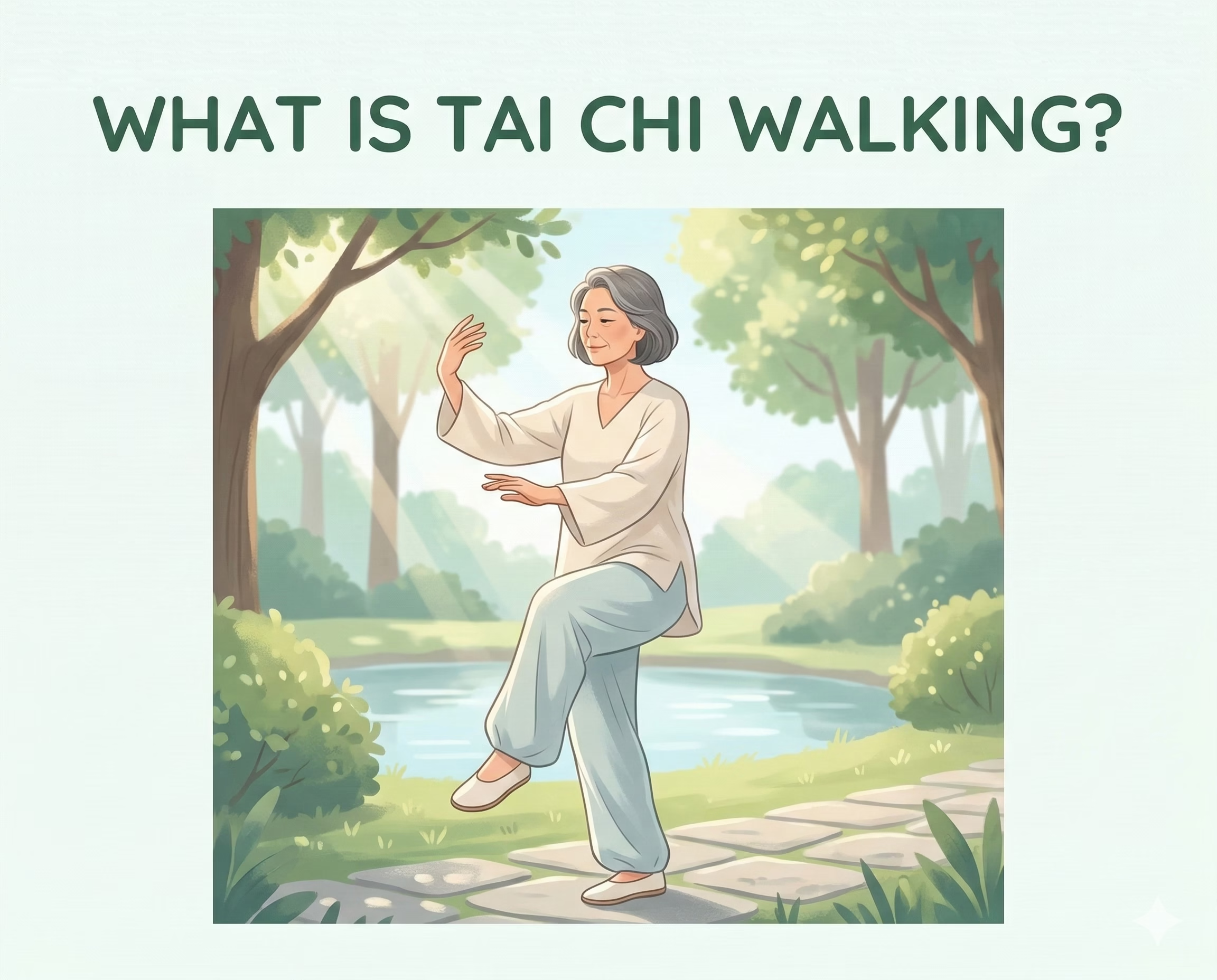
What Is Tai Chi Walking?
Tai Chi walking is a slow, mindful walking practice based on the principles of Tai Chi, an ancient Chinese exercise system that combines gentle movements, breathing techniques, and mental focus.
In Tai Chi walking, each step is taken slowly and deliberately. The goal is to move the body with control and awareness, rather than simply walking quickly from one place to another.
A typical Tai Chi walking movement involves:
- Placing the heel on the ground first
- Shifting body weight gradually
- Keeping the body relaxed and upright
- Moving smoothly without sudden motions
The practice encourages people to focus on posture, breathing, and balance while walking.
The Origins of Tai Chi
Tai Chi, also known as Tai Chi Chuan, originated in China several centuries ago. It began as a martial art, but over time it also became a popular form of exercise and meditation.
Historical records suggest that Tai Chi developed during the 17th century in China, particularly in Chen Village in Henan Province. Several styles later evolved, including:
- Chen style
- Yang style
- Wu style
- Sun style
Among these, Yang-style Tai Chi is the most widely practiced around the world today.
Tai Chi walking is often included as part of Tai Chi training because it teaches proper movement and balance, which are essential elements of the practice.
How Tai Chi Walking Works
Tai Chi walking focuses on three key principles:
- Slow movement
- Weight shifting
- Body awareness
Each step is taken carefully to maintain balance and stability.
Instead of rushing, practitioners move slowly and smoothly, allowing the body to stay relaxed and centered.
A typical Tai Chi walking step includes:
- Standing upright with relaxed shoulders
- Shifting weight to one leg
- Slowly lifting the other foot
- Placing the heel down first
- Gradually transferring weight to the front foot
This slow movement allows the body to remain balanced throughout the entire step.
Key Principles of Tai Chi Walking
Several principles guide Tai Chi walking and help distinguish it from normal walking.
Balance
Balance is one of the most important elements of Tai Chi walking.
By shifting weight slowly from one leg to another, practitioners improve their ability to stay stable.
This is especially helpful for older adults who want to reduce the risk of falls.
Relaxation
Tai Chi movements are performed with relaxed muscles.
The goal is not to create tension but to allow the body to move naturally and smoothly.
Breathing
Breathing is an important part of Tai Chi practice.
Slow and steady breathing helps calm the nervous system and improves oxygen flow throughout the body.
Body Awareness
Tai Chi walking encourages people to pay attention to how their body moves.
This awareness improves posture and coordination over time.
Health Benefits of Tai Chi Walking
Many studies have shown that Tai Chi exercises can provide significant health benefits.
According to the National Center for Complementary and Integrative Health (NCCIH) in the United States, Tai Chi may help improve balance, flexibility, and overall physical function.
Below are some of the most recognized benefits of Tai Chi walking.
Improved Balance and Stability
Balance naturally declines as people age.
Research has shown that Tai Chi training can improve balance and reduce fall risk.
A study published in the Journal of the American Geriatrics Society found that Tai Chi practice helped reduce falls among older adults by improving stability and coordination.
Because Tai Chi walking focuses on slow weight shifting, it strengthens the muscles used for balance.
Better Joint Health
Tai Chi walking is considered a low-impact exercise, meaning it places minimal stress on joints.
This makes it suitable for people with conditions such as:
- Arthritis
- Joint stiffness
- Limited mobility
The gentle movements help maintain joint flexibility without causing strain.
Reduced Stress and Anxiety
Tai Chi combines movement with breathing and mental focus.
This combination can help reduce stress and promote relaxation.
Several studies have found that Tai Chi practice may lower stress hormones and improve mood.
The slow pace of Tai Chi walking encourages a calm state of mind similar to meditation.
Improved Posture
Tai Chi walking emphasizes proper body alignment.
Practitioners are encouraged to keep their:
- Head upright
- Shoulders relaxed
- Spine straight
Over time, this focus on posture can help reduce back and neck discomfort.
Increased Muscle Strength
Although Tai Chi movements appear gentle, they still activate many muscles in the body.
The slow transfer of body weight helps strengthen muscles in the:
- Legs
- Core
- Lower back
This improves overall stability and endurance.
Who Can Practice Tai Chi Walking?
One of the advantages of Tai Chi walking is that it is suitable for people of many ages and fitness levels.
It is often recommended for:
- Older adults
- Beginners starting exercise
- People recovering from injury
- Individuals seeking stress relief
Because the movements are slow and controlled, the risk of injury is generally low.
However, anyone with medical conditions should consult a healthcare professional before starting new exercise routines.
How to Practice Tai Chi Walking
Tai Chi walking can be practiced indoors or outdoors.
Many people prefer quiet environments such as parks or gardens where they can focus on their movements.
Here is a simple beginner method.
Step 1: Stand Relaxed
Stand upright with feet shoulder-width apart.
Keep your shoulders relaxed and arms hanging naturally.
Step 2: Shift Your Weight
Move your body weight slowly onto one leg.
Keep your body balanced and stable.
Step 3: Lift the Other Foot
Lift the opposite foot slowly while maintaining balance.
Step 4: Step Forward
Place the heel of the lifted foot on the ground first.
Roll the foot forward until it is fully planted.
Step 5: Transfer Weight
Gradually shift your weight onto the front foot.
Repeat the process slowly with the other leg.
The goal is to move smoothly and remain balanced during each step.
Tai Chi Walking vs Normal Walking
Although both involve walking, the approach is quite different.
| Feature | Tai Chi Walking | Regular Walking |
|---|---|---|
| Speed | Slow and controlled | Usually faster |
| Focus | Balance and awareness | Movement and distance |
| Breathing | Conscious breathing | Natural breathing |
| Body posture | Carefully maintained | Often less focused |
Tai Chi walking is more about mindful movement than covering distance.
How Often Should You Practice Tai Chi Walking?
Many instructors recommend practicing Tai Chi exercises two to five times per week.
Even 10–20 minutes of daily practice can provide noticeable benefits over time.
Consistency is more important than intensity.
Tai Chi Walking Around the World
Tai Chi has spread far beyond China and is now practiced globally.
According to health organizations, Tai Chi is used in many wellness programs because it combines physical activity with mental relaxation.
In parks across China, groups of people gather early in the morning to practice Tai Chi movements together.
Similar classes can now be found in many countries around the world.