- What Exactly Is Matcha?
- Types of Matcha You Should Know About
- Essential Tools for Making Matcha
- How to Make Traditional Matcha (Usucha Style)
- How to Make a Matcha Latte
- Tips for the Best Tasting Matcha
- Common Matcha Mistakes to Avoid
- Beyond the Basics: Other Ways to Use Matcha
- Understanding the Health Benefits
- Making Matcha Part of Your Routine
- The Bottom Line
I’ll never forget my first sip of properly made matcha. I was in a small tea shop in San Francisco, and the owner whisked up a bowl right in front of me. The vibrant green color, the smooth, creamy texture, the earthy yet slightly sweet taste—it was nothing like the chalky, bitter matcha latte I’d tried at a chain coffee shop.
That experience got me hooked, and I’ve been making matcha at home ever since. If you’ve been curious about how to make matcha the right way, whether it’s traditional ceremonial style or a quick morning latte, I’m here to walk you through everything you need to know.
What Exactly Is Matcha?
Before we get into the how-to, let’s talk about what matcha actually is. Matcha is a type of green tea, but it’s quite different from the tea bags you might be used to. Instead of steeping leaves in hot water and then removing them, with matcha you’re consuming the entire tea leaf that’s been ground into a fine powder.
This means you’re getting way more antioxidants, caffeine, and nutrients than you would from regular green tea. The tea plants used for matcha are shade-grown for about three weeks before harvest, which increases their chlorophyll content and gives matcha that brilliant green color.
The leaves are then carefully picked, steamed, dried, and ground into powder using traditional stone mills. Good quality matcha takes time to produce, which is why it can be pricey. But trust me, it’s worth investing in decent matcha if you want it to actually taste good.
Types of Matcha You Should Know About
Not all matcha is created equal. There are two main categories:
Ceremonial grade matcha is the highest quality. It’s made from the youngest tea leaves, has a vibrant green color, and tastes smooth and slightly sweet with minimal bitterness. This is what you want for drinking matcha plain, whisked with just hot water in the traditional way.
Culinary grade matcha is more affordable and has a stronger, slightly more bitter taste. It’s perfect for lattes, smoothies, baking, and cooking. The flavor holds up well when mixed with milk or other ingredients.
Within these categories, there are different quality levels. Premium ceremonial grade can cost $30-$50 for 30 grams, while culinary grade might be $15-$25 for the same amount. For everyday lattes, culinary grade works great. Save the ceremonial stuff for special occasions when you want to drink it straight.
Essential Tools for Making Matcha
The good news is you don’t need a ton of equipment. Here’s what makes life easier:
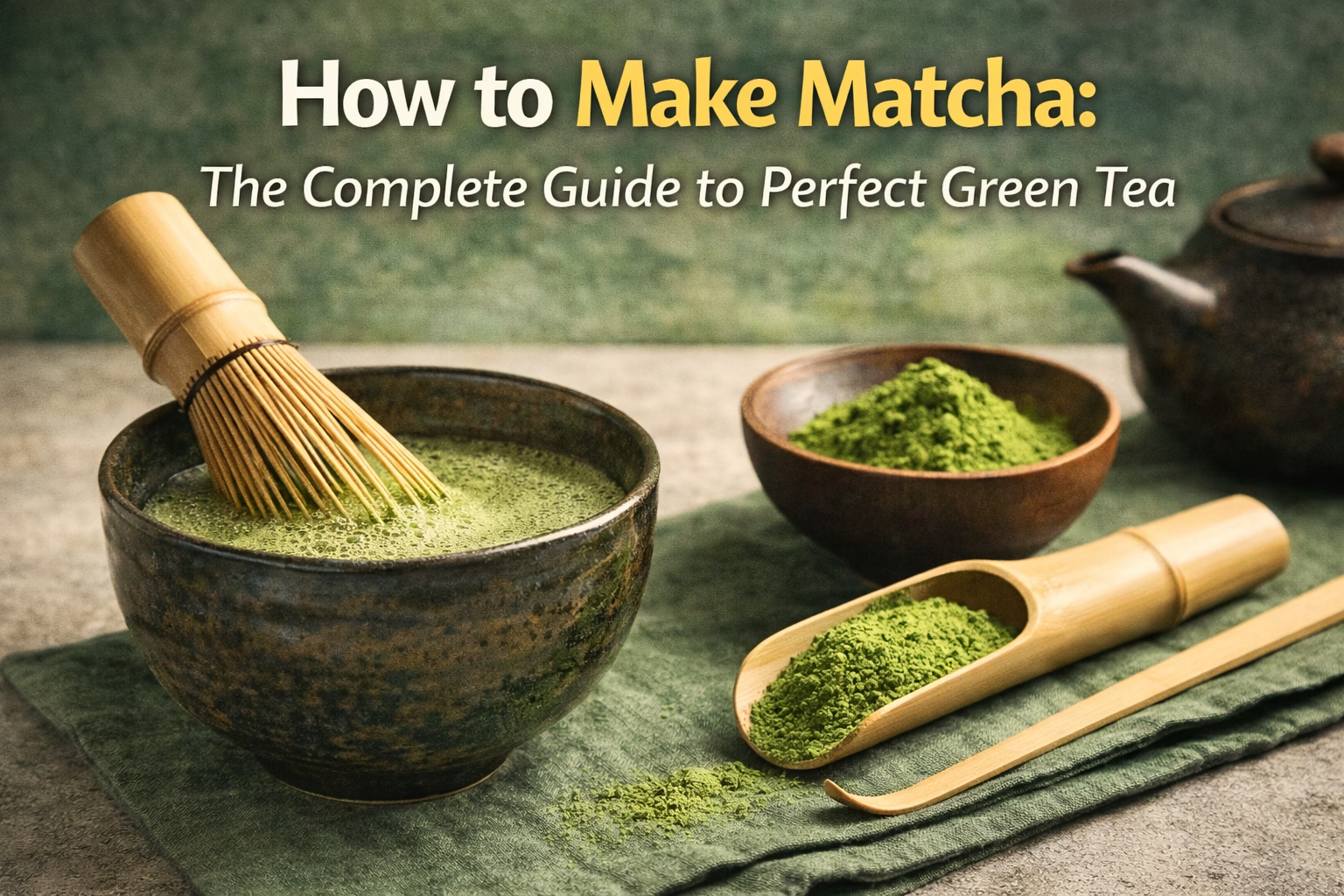
A bamboo whisk (chasen) – This is the traditional tool for whisking matcha, and honestly, it works better than anything else. The fine tines create that smooth, frothy texture. They cost around $10-$20 and last for months if you take care of them.
A tea bowl (chawan) – Any wide bowl works, but traditional matcha bowls are designed to make whisking easier. You want something wide enough to move your whisk around.
A bamboo scoop (chashaku) – This traditional scoop helps you measure the right amount of matcha. One scoop equals about half a teaspoon. You can also just use a regular measuring spoon.
A small sifter – Matcha clumps easily. Sifting it before you whisk makes a huge difference in texture.
If you don’t want to invest in traditional tools right away, you can start with a small whisk or even a milk frother. I started that way before I got serious about my matcha habit.
How to Make Traditional Matcha (Usucha Style)
This is the classic way to prepare matcha, and it’s simpler than you might think. Usucha means “thin tea,” and it’s the most common preparation method.
Step 1: Heat your water
Bring water to a boil, then let it cool for about 5 minutes. You want it around 175°F, not boiling. Water that’s too hot will make your matcha bitter.
Step 2: Sift your matcha
Put 1-2 teaspoons of matcha powder (or 2-4 scoops if using a chashaku) into a small sifter over your tea bowl. Push it through with a spoon to break up any clumps. This step is key for smooth matcha without lumps.
Step 3: Add water
Pour about 2-3 ounces of hot water into your bowl with the matcha. Some people like less water for a stronger taste, others prefer more for a lighter tea.
Step 4: Whisk it up
Hold your whisk like a pen and whisk rapidly back and forth in a zigzag or “M” pattern. Don’t stir in circles—that doesn’t create the froth you want. Whisk vigorously for about 15-20 seconds until you see a nice layer of foam on top.
Step 5: Enjoy immediately
Matcha is meant to be drunk right away while it’s still frothy and warm. Take your time and savor it.
The first few times I made traditional matcha, I didn’t whisk hard enough and ended up with a thin, sad-looking tea. Don’t be shy with that whisk. Put some energy into it.
How to Make a Matcha Latte
This is probably what most people want to learn, and it’s actually easier than traditional preparation. Here’s my go-to method:
For a hot matcha latte:
Sift 1-2 teaspoons of matcha into a mug or bowl. Add about 2 tablespoons of hot water and whisk (or use a milk frother) until the matcha is completely dissolved and slightly frothy. This paste method ensures there are no clumps.
Heat 8-10 ounces of your favorite milk. I use oat milk because it froths nicely and has a subtle sweetness, but dairy milk, almond milk, or soy milk all work. Heat it on the stove or microwave it for about 90 seconds.
Froth your milk if you have a frother. If not, no worries—it’ll still taste great.
Pour the hot milk over your matcha paste and stir. Add a little honey, maple syrup, or vanilla syrup if you want it sweeter. I usually skip the sweetener, but that’s personal preference.
For an iced matcha latte:
Make your matcha paste the same way with hot water and whisking. Pour it over ice in a glass. Add cold milk and sweetener if desired. Stir well and enjoy.
The key to a good matcha latte is making sure the matcha is completely dissolved before you add the milk. That little bit of hot water at the beginning makes all the difference.
Tips for the Best Tasting Matcha
After making hundreds of cups of matcha, here’s what I’ve learned:
Store it properly. Matcha oxidizes quickly once opened. Keep it in an airtight container in the fridge, away from light and moisture. Use it within 1-2 months of opening for best flavor.
Always sift. I know I keep saying this, but it’s so important. Clumpy matcha is the worst.
Use good water. If your tap water tastes weird, your matcha will taste weird. Use filtered water if needed.
Don’t use boiling water. This will make your matcha bitter every single time.
Adjust the ratio to your taste. Some people like strong matcha with 2 teaspoons per cup. Others prefer it lighter with just 1 teaspoon. Experiment and find what you like.
Drink it fresh. Matcha doesn’t sit well. Make it and drink it. If you let it sit for 30 minutes, it’ll separate and taste flat.
Common Matcha Mistakes to Avoid
Buying cheap matcha. Look, I get it. Matcha is expensive. But that $8 bag of matcha from a random brand probably isn’t real matcha or it’s such low quality that it’ll taste terrible. Spend a little more and get something decent from a Japanese tea company.
Using too much. More isn’t always better. Too much matcha can be overwhelmingly bitter. Start with 1 teaspoon and work your way up.
Expecting it to taste like a Starbucks matcha latte. Commercial matcha drinks are loaded with sugar. Real matcha has an earthy, vegetal taste. It’s naturally a bit bitter, though good quality matcha is smoother and has some sweetness.
Not whisking enough. Really whisk it. Your arm should be a little tired when you’re done.
Drinking it too late in the day. Matcha has about 70mg of caffeine per serving, roughly the same as a cup of coffee. If you’re sensitive to caffeine, don’t drink it after 2pm unless you want to be up all night.
Beyond the Basics: Other Ways to Use Matcha
Once you’ve mastered traditional matcha and lattes, there’s so much more you can do:
Matcha smoothies – Blend matcha with banana, spinach, yogurt, and honey for a healthy breakfast.
Matcha overnight oats – Stir matcha powder into your oats before refrigerating overnight.
Matcha baked goods – Add matcha to muffins, cookies, cakes, and brownies. It pairs amazingly well with white chocolate.
Matcha ice cream – If you have an ice cream maker, matcha ice cream is incredible.
Matcha energy balls – Mix matcha with dates, nuts, and coconut for no-bake snacks.
Face masks – Some people mix matcha with honey for a antioxidant-rich face mask. I haven’t tried this myself, but it’s a thing.
Understanding the Health Benefits
People love matcha not just for the taste but for the health perks. Here’s what you’re getting:
Matcha is packed with antioxidants called catechins, especially one called EGCG. These antioxidants help fight inflammation and may protect against certain diseases.
The caffeine in matcha is released slowly because of an amino acid called L-theanine. This means you get steady energy without the jitters or crash you might get from coffee. L-theanine also promotes calm focus, which is why matcha is often associated with meditation and concentration.
Matcha may boost metabolism and help with weight management, though you shouldn’t rely on it as a magic solution. It supports your liver health, may improve heart health, and some studies suggest it could have anti-cancer properties.
But let’s be real: matcha isn’t a miracle cure for anything. It’s just a really healthy beverage that can be part of an overall healthy lifestyle.
Making Matcha Part of Your Routine
I started making matcha every morning instead of coffee about two years ago. I love the ritual of it—the whisking, the bright green color, the smooth taste. It feels a little special, even on regular weekdays.
Some mornings I do the full traditional preparation when I have time. Other mornings I quickly blend a matcha latte and take it to go. Both are great.
If you’re new to matcha, I’d suggest starting with lattes. They’re easier and more approachable if you’re not used to the earthy taste. Once you get comfortable with that, try traditional matcha to really appreciate the flavor of good quality tea.
The Bottom Line
Making matcha doesn’t have to be complicated or intimidating. Sure, there’s a traditional way to do it that involves specific tools and techniques, but there’s also a super simple way to make a tasty matcha latte in your kitchen with minimal equipment.
The most important things are: use good quality matcha, sift it to avoid clumps, don’t use boiling water, and whisk or blend it well. Get those basics right and you’ll have delicious matcha every time.
Start with a small amount of decent matcha and a basic whisk or frother. See if you like it. If you do, you can invest in better tools and higher quality tea. If you don’t, at least you didn’t spend a fortune finding out.
For me, learning to make proper matcha opened up a whole new world of tea. There’s something meditative about whisking a bowl of bright green tea, something energizing about that first sip, something satisfying about creating a beautiful latte at home.
Give it a try. Your morning routine might never be the same.