- What Is PCV in a Blood Test?
- Another Name for PCV
- Why the PCV Test Is Important
- How the PCV Blood Test Works
- Normal PCV Range in Adults
- What Causes Low PCV Levels
- Symptoms of Low PCV
- What Causes High PCV Levels
- Symptoms of High PCV
- PCV Test and Anemia Diagnosis
- PCV in Complete Blood Count Tests
- Factors That Can Affect PCV Results
- PCV Test Preparation
- How Doctors Use PCV Results
- PCV Levels in Special Situations
- Importance of Regular Blood Testing
- Summary
Blood tests are among the most common medical tools used to evaluate a person’s health. They help doctors understand how the body is functioning and detect potential health problems early. One important measurement often included in routine blood work is PCV.
PCV stands for packed cell volume, a test that measures the proportion of red blood cells present in a sample of blood. Because red blood cells carry oxygen throughout the body, the PCV level can provide valuable information about a person’s overall health.
This article explains what PCV in a blood test means, how the test works, the normal PCV range, what high or low results indicate, and why this measurement is important in medical diagnosis.
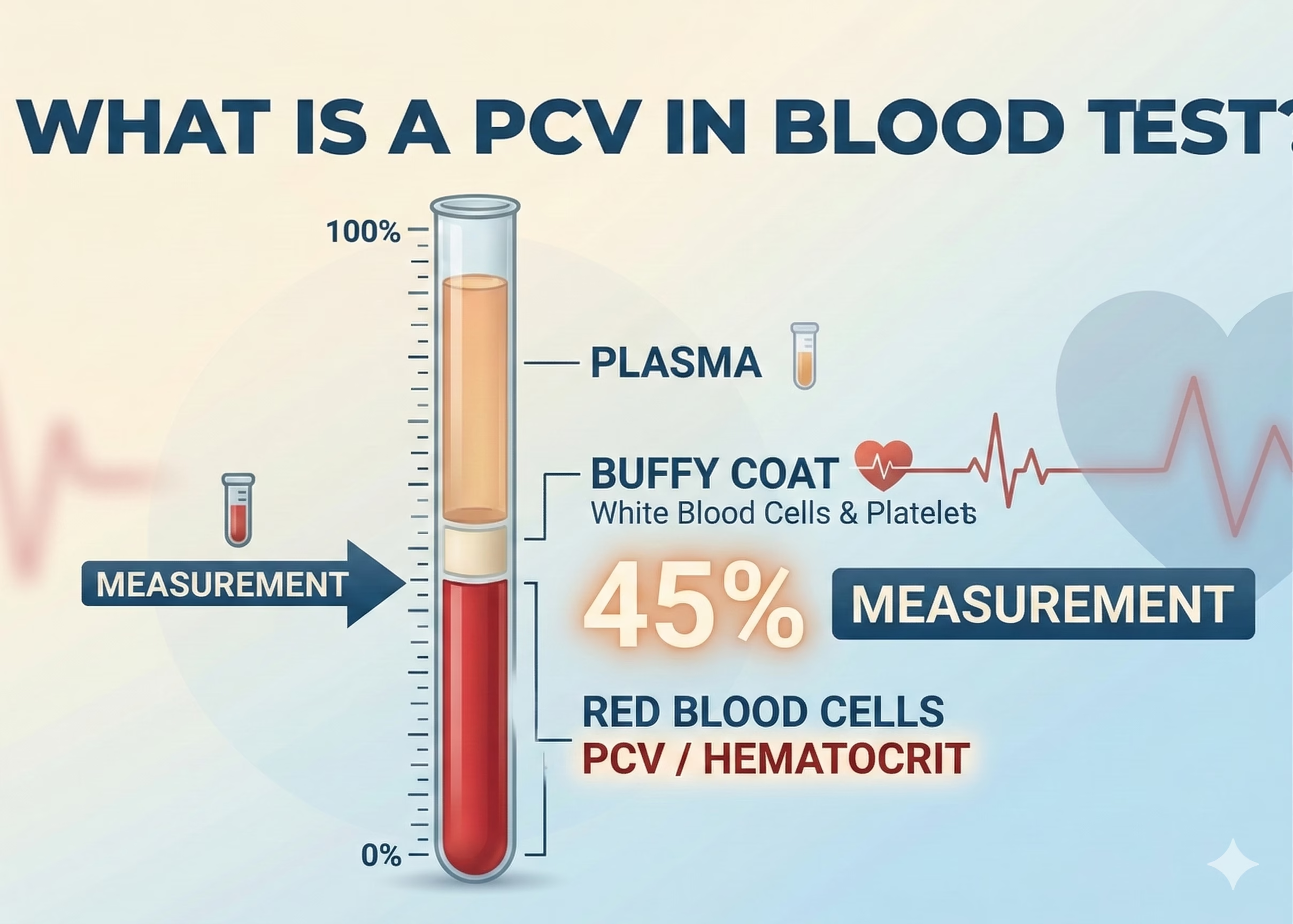
What Is PCV in a Blood Test?
PCV stands for packed cell volume. It represents the percentage of red blood cells in a person’s blood.
Blood is made up of several components including:
- red blood cells
- white blood cells
- platelets
- plasma
Red blood cells are responsible for transporting oxygen from the lungs to tissues throughout the body. PCV measures how much of the blood volume consists of these red blood cells.
For example, if a PCV result is 45 percent, it means that 45 percent of the blood volume is made up of red blood cells.
The PCV test is commonly included in a complete blood count, also called a CBC test.
Another Name for PCV
In modern laboratory reports, PCV is often referred to as hematocrit.
Hematocrit and packed cell volume mean essentially the same thing. Both terms describe the proportion of red blood cells in the blood.
Some laboratories use the term hematocrit, while others still use PCV.
Why the PCV Test Is Important
The PCV blood test helps doctors evaluate several important health conditions.
Because red blood cells carry oxygen through hemoglobin, the number of these cells directly affects how well the body receives oxygen.
PCV testing is commonly used to help diagnose:
- anemia
- dehydration
- blood disorders
- chronic diseases
- bone marrow problems
It can also help monitor the progress of treatment for certain conditions.
How the PCV Blood Test Works
The PCV test measures the ratio of red blood cells in the blood.
In laboratory settings, the test is often performed using a centrifuge.
The process involves the following steps.
First, a small blood sample is taken from a vein, usually from the arm.
The sample is placed in a thin tube called a capillary tube.
Next, the tube is spun in a centrifuge at high speed. This causes the blood components to separate according to their density.
After spinning, three layers appear:
- red blood cells at the bottom
- a thin layer of white blood cells and platelets called the buffy coat
- plasma at the top
The height of the red blood cell layer compared with the total blood sample gives the packed cell volume value.
Normal PCV Range in Adults
Normal PCV values vary depending on age and gender.
Typical ranges are:
Adult men: approximately 40 to 54 percent
Adult women: approximately 36 to 48 percent
Children: about 30 to 44 percent
These values may vary slightly depending on the laboratory and testing methods used.
Doctors interpret PCV results together with other blood test results such as hemoglobin levels and red blood cell count.
What Causes Low PCV Levels
A low PCV level means that the proportion of red blood cells in the blood is lower than normal.
This condition is often associated with anemia.
Common causes of low PCV include:
Iron deficiency anemia
Vitamin B12 deficiency
Folate deficiency
Chronic kidney disease
Bone marrow disorders
Blood loss from injury or surgery
When PCV is low, the body may not be able to transport enough oxygen to tissues. This can cause symptoms such as fatigue, weakness, and shortness of breath.
Symptoms of Low PCV
People with low packed cell volume may experience symptoms related to reduced oxygen delivery in the body.
Common symptoms include:
- tiredness
- pale skin
- dizziness
- rapid heartbeat
- shortness of breath
However, mild decreases in PCV may not produce noticeable symptoms.
What Causes High PCV Levels
A high PCV result means that the percentage of red blood cells in the blood is higher than normal.
Several factors can cause elevated PCV levels.
One common cause is dehydration. When the body loses fluids, the plasma portion of blood decreases, making the red blood cell proportion appear higher.
Other possible causes include:
polycythemia vera
chronic lung disease
living at high altitude
severe dehydration
smoking
High PCV levels can increase blood thickness, which may affect circulation.
Symptoms of High PCV
People with high PCV levels may experience symptoms such as:
headaches
blurred vision
fatigue
dizziness
high blood pressure
These symptoms occur because thicker blood can reduce efficient circulation.
PCV Test and Anemia Diagnosis
The PCV blood test plays an important role in diagnosing anemia.
Anemia occurs when the body does not have enough healthy red blood cells to carry oxygen effectively.
Doctors usually combine PCV results with other blood tests such as:
hemoglobin measurement
red blood cell count
mean corpuscular volume
Together, these tests help determine the type and cause of anemia.
PCV in Complete Blood Count Tests
A complete blood count test is one of the most frequently ordered laboratory tests.
It evaluates multiple blood components including:
red blood cell count
hemoglobin concentration
hematocrit or PCV
white blood cell count
platelet count
PCV results are interpreted together with these other measurements to give a complete picture of a patient’s blood health.
Factors That Can Affect PCV Results
Several factors may influence PCV levels.
Hydration status is one important factor. Dehydration can increase PCV, while overhydration may lower it.
Other factors include:
pregnancy
high altitude living
chronic illness
smoking habits
Doctors take these factors into account when evaluating test results.
PCV Test Preparation
In most cases, no special preparation is needed before a PCV blood test.
Patients may be asked to avoid certain medications if they affect blood composition.
The test is quick and usually completed within a few minutes.
Results are often available within the same day.
How Doctors Use PCV Results
Doctors use PCV results to assess a person’s oxygen-carrying capacity and detect possible blood disorders.
For example:
Low PCV may indicate anemia or blood loss.
High PCV may suggest dehydration or conditions that increase red blood cell production.
Because PCV alone does not provide a complete diagnosis, doctors typically review additional laboratory results and clinical symptoms.
PCV Levels in Special Situations
Certain life conditions can influence packed cell volume.
For example, athletes who train at high altitude may develop slightly higher PCV levels because the body produces more red blood cells to compensate for lower oxygen levels.
Pregnant women may experience lower PCV values due to increased blood plasma volume.
These variations are normal and usually considered when interpreting test results.
Importance of Regular Blood Testing
Routine blood tests help detect potential health problems before symptoms appear.
PCV testing is an important part of these routine screenings.
Monitoring PCV levels can help identify conditions such as anemia, dehydration, or blood disorders early, allowing doctors to begin treatment sooner.
Summary
PCV in a blood test refers to packed cell volume, which measures the percentage of red blood cells in the blood.
Red blood cells play a crucial role in transporting oxygen throughout the body, so maintaining healthy PCV levels is important for overall health.
Low PCV levels may indicate anemia or nutritional deficiencies, while high PCV levels may result from dehydration or certain medical conditions.
Doctors use PCV measurements along with other blood test results to diagnose and monitor a wide range of health issues.
Understanding what PCV means in a blood test helps patients better interpret their medical reports and discuss results with their healthcare providers.