- What Is a Latte?
- The Basic Ingredients of a Latte
- How Is a Latte Made?
- The History of the Latte
- Latte vs Cappuccino: What Is the Difference?
- Latte vs Flat White
- Popular Types of Lattes
- How Much Caffeine Is in a Latte?
- Why Lattes Are So Popular
- Can You Make a Latte at Home?
- Milk Alternatives in Modern Lattes
- Are Lattes Healthy?
Coffee is one of the most widely consumed beverages in the world. According to the International Coffee Organization, more than 2 billion cups of coffee are consumed every day globally. Among the many coffee drinks available today, the latte has become one of the most popular choices in coffee shops and homes alike.
You may have seen lattes on café menus or watched baristas pouring beautiful foam designs on top of them. But what exactly is a latte? What makes it different from other coffee drinks like cappuccino or flat white?
In this guide, we will explain what a latte is, how it is made, its ingredients, history, variations, and how it compares to other coffee drinks.
What Is a Latte?
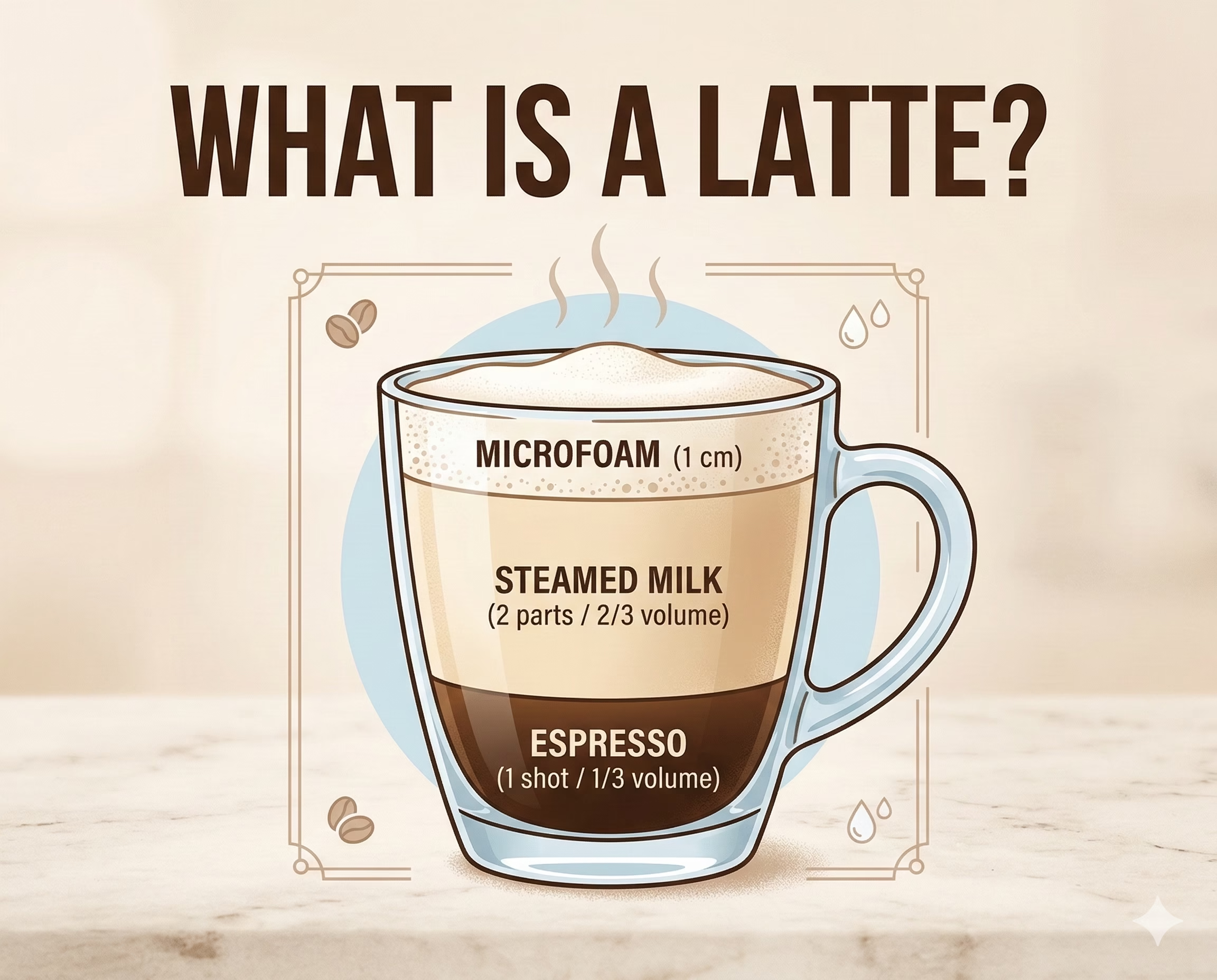
A latte, short for caffè latte, is a coffee drink made with espresso and steamed milk, usually topped with a thin layer of milk foam.
The word latte comes from the Italian phrase “caffè latte,” which means “coffee with milk.”
A typical latte contains:
- 1 or 2 shots of espresso
- Steamed milk
- A small layer of milk foam
The large amount of milk makes the drink smooth, creamy, and less strong than many other espresso-based drinks.
Lattes are typically served in cups that hold about 240–360 milliliters (8–12 ounces).
The Basic Ingredients of a Latte
A latte has a simple recipe with only a few ingredients, but each one plays an important role in creating the drink’s flavor and texture.
Espresso
Espresso is the base of a latte.
It is made by forcing hot water through finely ground coffee beans under high pressure. This process produces a concentrated coffee with a rich flavor and a layer of crema on top.
A standard latte usually contains one or two shots of espresso.
Steamed Milk
Steamed milk is what gives the latte its smooth and creamy texture.
Milk is heated using steam from an espresso machine, which creates a soft and silky consistency known as microfoam.
The milk blends with the espresso to soften its strong flavor.
Milk Foam
A thin layer of foam sits on top of the latte.
Unlike cappuccinos, which have a thick foam layer, lattes have only a small amount of foam, typically around 1 centimeter thick.
Baristas often use this foam to create decorative patterns known as latte art.
How Is a Latte Made?
Making a latte requires an espresso machine and some basic barista techniques.
Here are the typical steps used in cafés.
- Grind coffee beans and prepare espresso in the espresso machine.
- Pull one or two shots of espresso into a cup.
- Steam milk using the steam wand until it becomes smooth and slightly foamy.
- Pour the steamed milk over the espresso, mixing them together.
- Finish with a thin layer of foam on top.
Experienced baristas often create designs such as hearts or leaves in the foam.
The History of the Latte
Although milk and coffee have been combined for centuries, the modern café latte became popular in the 20th century.
Origins in Europe
The concept of coffee mixed with milk dates back to 17th-century Europe. In countries such as Italy, France, and Austria, people commonly drank coffee with warm milk at breakfast.
In Italy, caffè latte was traditionally served at home rather than in cafés.
Popularity in the United States
The latte gained popularity in the United States during the 1980s, especially with the rise of espresso-based coffee shops.
Coffee chains such as Starbucks helped introduce the drink to a wider audience.
The latte became especially popular because its high milk content made espresso drinks less bitter and more approachable for new coffee drinkers.
Latte vs Cappuccino: What Is the Difference?
Many people confuse lattes with cappuccinos. While both drinks contain espresso and milk, the proportions are different.
| Drink | Espresso | Steamed Milk | Foam |
|---|---|---|---|
| Latte | 1 shot | Large amount | Thin layer |
| Cappuccino | 1 shot | Moderate | Thick foam |
A cappuccino usually has equal parts espresso, steamed milk, and foam, which creates a stronger coffee taste.
A latte contains more milk, making it milder and creamier.
Latte vs Flat White
Another coffee drink often compared with a latte is the flat white, which originated in Australia or New Zealand.
| Drink | Milk Texture | Foam | Flavor |
|---|---|---|---|
| Latte | Steamed milk | Thin foam | Mild |
| Flat White | Microfoam | Very little | Stronger |
Flat whites use less milk, so the espresso flavor is more noticeable.
Popular Types of Lattes
Today, many variations of lattes are available in cafés and coffee shops.
Vanilla Latte
A vanilla latte includes vanilla syrup mixed with espresso and milk.
It is one of the most common flavored lattes.
Caramel Latte
This version adds caramel syrup, giving the drink a sweet and rich flavor.
Pumpkin Spice Latte
This seasonal drink became famous through coffee chains and typically contains:
- Pumpkin spice flavor
- Cinnamon
- Nutmeg
- Sweet syrup
Iced Latte
An iced latte is made by pouring espresso over cold milk and ice instead of steaming the milk.
It is especially popular in warm climates.
Matcha Latte
Although not made with coffee, a matcha latte combines green tea powder with milk and has become popular as an alternative to coffee.
How Much Caffeine Is in a Latte?
The caffeine content in a latte depends mainly on the number of espresso shots used.
A typical single espresso shot contains about 63 mg of caffeine, according to the U.S. Department of Agriculture.
Approximate caffeine levels:
- Small latte (1 shot): about 60–70 mg caffeine
- Large latte (2 shots): about 120–130 mg caffeine
Because lattes contain a lot of milk, they often feel less strong than black coffee, even though the caffeine may be similar.
Why Lattes Are So Popular
Several factors have made lattes one of the most popular coffee drinks in the world.
Smooth Taste
The large amount of milk reduces bitterness, creating a smooth and balanced flavor.
Customization
Lattes can easily be customized with different:
- Milk types (oat, almond, soy)
- Flavors
- Sweeteners
Visual Appeal
Latte art has become a signature feature in many coffee shops.
Baristas use milk foam to create designs such as:
- Hearts
- Tulips
- Rosettas
These designs make the drink visually appealing and enhance the café experience.
Can You Make a Latte at Home?
Yes, it is possible to make a latte at home.
The basic tools required include:
- An espresso machine or coffee maker
- Milk
- A milk frother or steam wand
Steps to make a simple latte at home:
- Brew strong coffee or espresso.
- Heat milk on the stove or microwave.
- Froth the milk using a milk frother.
- Pour the milk into the coffee slowly.
While café-quality lattes require espresso machines, many home versions can still taste excellent.
Milk Alternatives in Modern Lattes
In recent years, plant-based milk alternatives have become widely used in coffee shops.
Popular choices include:
- Oat milk
- Almond milk
- Soy milk
- Coconut milk
Oat milk has become particularly popular because it produces foam similar to dairy milk.
According to market reports, plant-based milk sales have grown rapidly over the past decade as more consumers look for dairy alternatives.
Are Lattes Healthy?
Lattes can be part of a balanced diet, but the nutritional content depends on the ingredients used.
A typical latte made with whole milk contains approximately:
- 120–190 calories
- 6–8 grams of protein
- 6–10 grams of fat
Flavored syrups can significantly increase sugar content.
Choosing unsweetened milk or fewer syrups can make the drink healthier.