- What Is a Chemical Pregnancy?
- How a Chemical Pregnancy Happens
- How Common Are Chemical Pregnancies?
- Signs and Symptoms of a Chemical Pregnancy
- Causes of Chemical Pregnancy
- How Is a Chemical Pregnancy Diagnosed?
- Chemical Pregnancy vs. Miscarriage
- Does Chemical Pregnancy Affect Future Fertility?
- When Should You See a Doctor?
- Emotional Impact of Chemical Pregnancy
- Can Chemical Pregnancy Be Prevented?
- When Can You Try to Get Pregnant Again?
- Key Takeaways
Pregnancy can be an exciting and emotional journey. Sometimes, however, a pregnancy ends very early, even before a woman realizes she is pregnant. One such situation is called a chemical pregnancy.
Although the name may sound complicated, a chemical pregnancy is actually a very early miscarriage that occurs shortly after implantation. Many women experience this without even knowing it, especially if they do not take an early pregnancy test.
In this article, we will explain everything you need to know about chemical pregnancy, including its causes, symptoms, diagnosis, and whether it affects your chances of getting pregnant again.
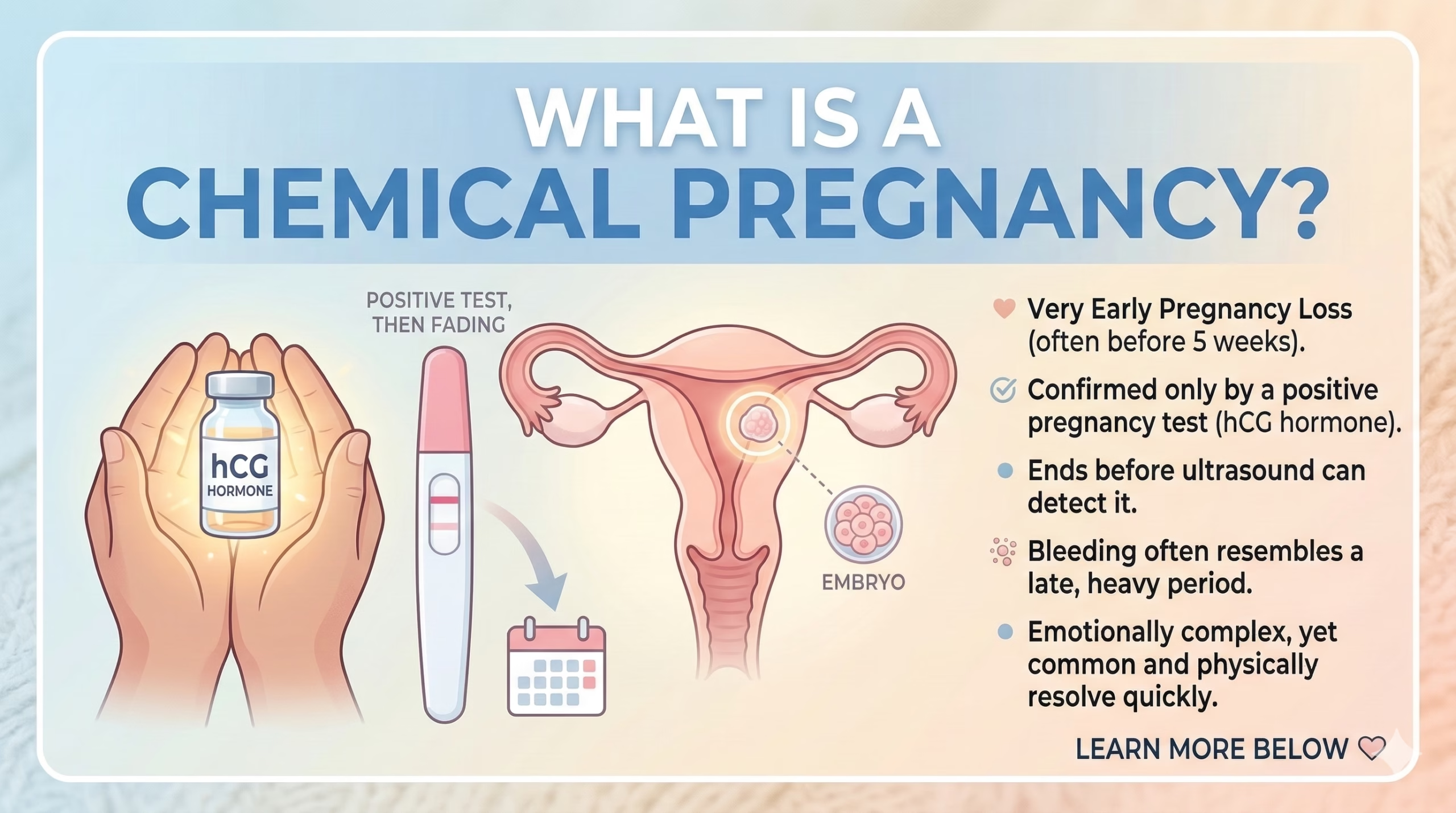
What Is a Chemical Pregnancy?
A chemical pregnancy is a very early pregnancy loss that occurs before the fifth week of pregnancy.
It is called a chemical pregnancy because the pregnancy can only be detected through chemical tests, such as blood or urine tests that measure the pregnancy hormone called hCG (human chorionic gonadotropin).
In this situation:
- The egg is fertilized by sperm.
- The fertilized egg attaches to the uterus.
- The body begins producing pregnancy hormones.
- A pregnancy test may show a positive result.
However, the pregnancy stops developing shortly after this stage.
Because the pregnancy ends so early, an ultrasound cannot detect the pregnancy sac in the uterus.
How a Chemical Pregnancy Happens
To understand chemical pregnancy better, it helps to understand the early stages of pregnancy.
Here is what normally happens:
- An egg is released from the ovary during ovulation.
- The egg is fertilized by sperm in the fallopian tube.
- The fertilized egg travels to the uterus.
- It attaches to the uterine lining (implantation).
- The body starts producing pregnancy hormones.
In a chemical pregnancy, fertilization and implantation occur, but the embryo stops developing soon after.
When this happens, hormone levels drop and the body begins shedding the uterine lining, which results in bleeding similar to a menstrual period.
How Common Are Chemical Pregnancies?
Chemical pregnancies are more common than many people think.
Many doctors believe that 50% to 70% of very early pregnancies may end as chemical pregnancies.
However, most women never realize it happened because:
- They did not take an early pregnancy test.
- The bleeding happens around the time their normal period is expected.
Because home pregnancy tests have become very sensitive, more women now detect early pregnancies, which is why chemical pregnancies are noticed more often today.
Signs and Symptoms of a Chemical Pregnancy
The symptoms of a chemical pregnancy can be very mild and often look like a normal period.
Some common signs include:
1. A Positive Pregnancy Test Followed by a Negative Test
Many women first notice a chemical pregnancy when they:
- Take a pregnancy test early
- See a positive result
- Then test again a few days later and get a negative result
2. A Late Period
Your period may arrive a few days later than expected.
3. Vaginal Bleeding
Bleeding may occur and may be:
- Slightly heavier than usual
- Similar to a normal menstrual period
4. Mild Cramping
Some women experience mild cramps in the lower abdomen.
5. Low Pregnancy Hormone Levels
Blood tests may show that hCG levels rise slightly and then drop quickly.
Causes of Chemical Pregnancy
In most cases, chemical pregnancies occur due to problems that prevent the embryo from developing properly.
The most common causes include:
1. Chromosomal Problems
This is the most common reason.
Sometimes the fertilized egg has missing or extra chromosomes. Because of this, the embryo cannot develop normally, and the body naturally ends the pregnancy.
2. Hormonal Imbalance
Low levels of hormones such as progesterone may make it difficult for the pregnancy to continue.
Progesterone helps maintain the uterine lining needed for pregnancy.
3. Problems with the Uterus
Certain conditions in the uterus may interfere with implantation or development, such as:
- Fibroids
- Scar tissue
- Abnormal uterine shape
4. Thyroid Disorders
Thyroid problems can affect hormone balance and increase the risk of early pregnancy loss.
5. Infections
Some infections may also affect early pregnancy development.
How Is a Chemical Pregnancy Diagnosed?
A chemical pregnancy is usually diagnosed through pregnancy tests and blood tests.
Home Pregnancy Test
A home pregnancy test may show a faint positive line, indicating the presence of the pregnancy hormone.
Blood Test
Doctors may perform blood tests to measure hCG levels.
In a chemical pregnancy, hCG levels:
- Rise slightly
- Then quickly begin to fall
Ultrasound
Since the pregnancy ends very early, ultrasound usually does not show a pregnancy sac.
Chemical Pregnancy vs. Miscarriage
Many people wonder if a chemical pregnancy is the same as a miscarriage.
Technically, a chemical pregnancy is a type of miscarriage, but it happens much earlier.
| Feature | Chemical Pregnancy | Miscarriage |
|---|---|---|
| Timing | Before 5 weeks | Usually after 5 weeks |
| Detection | Only through hormone tests | Can be seen on ultrasound |
| Pregnancy Sac | Not visible | Often visible |
Because chemical pregnancies occur so early, the physical effects are usually milder.
Does Chemical Pregnancy Affect Future Fertility?
One of the biggest concerns women have after a chemical pregnancy is whether it will affect their ability to become pregnant again.
The good news is that a chemical pregnancy usually does not affect future fertility.
In fact, many doctors consider it a sign that:
- Fertilization can occur
- Implantation can occur
This means the basic process of pregnancy is working.
Many women become pregnant again in the very next cycle.
When Should You See a Doctor?
Although chemical pregnancies are common, you should speak with a doctor if:
- You have multiple chemical pregnancies
- Bleeding is very heavy
- You experience severe abdominal pain
- You suspect an ectopic pregnancy
If chemical pregnancies happen repeatedly, doctors may recommend tests to check:
- Hormone levels
- Uterine health
- Genetic factors
- Thyroid function
Emotional Impact of Chemical Pregnancy
Even though chemical pregnancy happens very early, it can still be emotionally difficult.
Some women may feel:
- Sadness
- Confusion
- Disappointment
- Frustration
These feelings are completely normal. Early pregnancy loss can be emotionally challenging, especially for couples who are trying to conceive.
Talking to your partner, family, or a healthcare professional can help you process the experience.
Can Chemical Pregnancy Be Prevented?
Unfortunately, most chemical pregnancies cannot be prevented, especially when they are caused by chromosomal abnormalities.
However, maintaining good health can support a healthy pregnancy.
Some helpful steps include:
- Eating a balanced diet
- Taking prenatal vitamins
- Managing stress
- Avoiding smoking and alcohol
- Treating thyroid or hormonal issues
- Regular medical checkups
These steps help create the best possible conditions for pregnancy.
When Can You Try to Get Pregnant Again?
In most cases, doctors say it is safe to try for pregnancy as soon as you feel ready.
Because chemical pregnancy happens very early, the body usually recovers quickly.
Some doctors suggest waiting until after one normal menstrual cycle, but many women conceive successfully even sooner.
If you are unsure, speaking with your doctor can help you decide the best timing.
Key Takeaways
Chemical pregnancy is a very early pregnancy loss that happens shortly after implantation.
Although it can be emotionally difficult, it is also very common and usually does not affect future fertility.
Important points to remember:
- It occurs before the fifth week of pregnancy.
- It can only be detected through pregnancy hormone tests.
- Most cases happen due to chromosomal problems.
- Many women go on to have healthy pregnancies afterward.
Understanding chemical pregnancy can help reduce fear and confusion and allow couples to focus on the possibility of future healthy pregnancies.